Showing posts with label food. Show all posts

The Serving food principle

Serving food is one of the principles of food hygiene and sanitation. Serving food that is not good and ethical, not only can reduce one's appetite but can also be a cause of bacterial contamination. Some things must be considered in preparing the food in accordance with the principles of food hygiene and sanitation are as follows: presentation of the food-
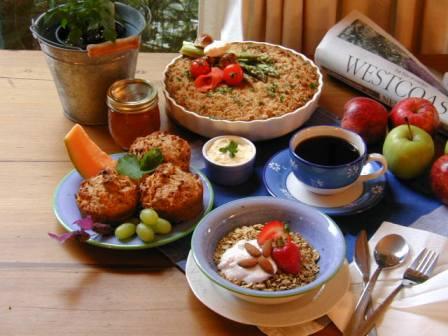
1. The principle means that every type of food container is placed in a separate container and cultivated closed. The goal is
a. Not cross-contaminated food
b. When a tainted the other can be secured
c. Prolong-eat foods according to the level of food insecurity.
2. The principle means that the placement of the water content of foods containing high water content (juices, milk) on the eve of the new blended to prevent food served quickly broken. Food prepared in a high water content (in soup) more easily become corrupted (stale)
3. Principle means any edible part in the presentation of the material presented is a food that is edible. Avoid the use of materials harmful to health such as iron steples, toothpick or the plastic flowers.
4. The separation principle means food that is not placed in containers such as food in a box (boxes) or hamper any type of food should be separated so as not to mix with each other. The goal is to avoid cross-contamination.
5. Heat the principle that every presentation is served hot, still cultivated in hot conditions such as soup, curry, etc.. To set the temperature to note the temperature of food before it is placed in a food warmer should still be above 600 C. The best tool to maintain the temperature of the presentation is with the bean merry (renderer hot tub)
6. The principle of clean equipment means any equipment used crate containers and lids, boxes, dishes, cups, bowls must be clean and in good condition. Meaning had been washed clean with a hygienic manner. Both the meaning intact, not damaged or defective and used. The goal is to prevent disease transmission and provide an aesthetic appearance.
7. The principle of handling means any food handling or eating utensils are not in direct contact with members of the body especially the hands and lips. The goal is:
a. Prevent pollution of the body
b. Giving the appearance of a polite, nice and neat

7 Most Healthy Foods


 PotatoFoods listed as the most nutritious vegetables, antioxidants, beta carotene, iron, vitamin B6, and dietary fiber. Nutrients contained in sweet potatoes can prevent cancer and other diseases, like heart.
SpinachContains lutein, zeaxanthin, and karotenoit, spinach help prevent damage from aging. Other nutrients, like calcium for bones and vitamin K to accelerate blood clotting.
BroccoliThese vegetables contain indole-3, and sulforaphane. Two of these nutrients to fortify the body from breast cancer seranga. A bowl of broccoli twice a day is recommended to increase the amount of vitamin C.
BlueberriesThe fruit is rich in antioxidants such as beta-carotene, vitamins A, C, and E, as well as flavonoids. Eating blueberries can delay aging.
GarlicSulfur-containing compounds that help lower cholesterol levels, blood pressure, and prevent some cancers such as colon cancer and stomach cancer, because the function antibakterialnya. Garlic also contains important nutrients such as potassium, calcium, iron, phosphorus, and vitamin C.
TomatoesThe fruit is a champion of vitamin C. A medium tomato contains 23 milligrams of vitamin C. Tomatoes are also rich in lycopene for prostate health.
RaisinsRaisins or dried grapes are rich in iron, which helps the blood to carry oxygen. Also contains other important nutrients like potassium, selenium, vitamin A, and rich in fiber. Raisins are also known to counteract the anemia and high blood takanan.
SalmonThis type of fish and other marine water species such as tuna and mackerel contain omega-3, which supports cardiovascular health and brain. Omega-3 compounds help prevent certain diseases of the heart and Alzhemer bleak.

Eggplant Recipes


Baked Eggplant
4 Servings
Preheat oven to 350o
  • 1 eggplant, sliced into -inch slices
  • 1 egg, beaten
  • 1 cup seasoned breadcrumbs
  • 2 cloves garlic, peeled and sliced thinly
  • 1/2 cup olive oil
  • 1/4 cup grated Parmesan cheese
Dip eggplant slices, one at a time, in the beaten egg. Coat with seasoned breadcrumbs and lay flat on a platter. Refrigerate the coated slices for 1 hour. Meanwhile, peel and slice garlic. In a large frying pan, add the oil and heat just until smoking. Add the garlic and fry the eggplant slices until brown on each side, about 5 minutes a side.
Place the fried slices into an oiled, rectangular casserole. Arrange neatly and sprinkle with grated cheese. Bake for 15 minutes.
Eggplant-plus Stew
4 servings
  • 1/4 cup olive oil
  • 1 eggplant, chopped
  • 4 cloves garlic, chopped
  • 1 onion, chopped
  • 2 carrots, sliced thinly
  • 2 cups fat-free chicken broth
  • 2 cups of tomato puree
  • Salt, pepper and oregano to taste
  • 2 medium zucchini, sliced thickly
  • 1/4 cup wine vinegar
In a large saucepan, heat the oil and add eggplant cubes, garlic and onion. Saut for 5 minutes, stirring frequently. Add the remaining ingredients except the vinegar. Bring mixture to a boil, cover, and simmer for 20 minutes. Stir in the wine vinegar and adjust seasonings.

Sources http://www.foodasfood.com/eggplant-recipes/

Eat Your Way to Health and Longevity


Eating is one the most important events in everyone’s life. We enjoy eating - it’s part of who we are and part of our culture; in fact, eating is the hottest universal topic of all times. We depend on eating: the foods we eat are the sole source of our energy and nutrition. We know so much about eating: we are born with the desire to eat and grown up with rich traditions of eating. But we also know so little about eating - about how the foods we eat everyday affect our health. We are more confused than ever about the link between diet and health: margarine is healthier than butter or not; a little alcohol will keep heart attacks at bay but cause breast cancer; dietary vitamin antioxidants can prevent lung cancer or can not. Eating is a paradox and a mystery that our ancestors tried and modern scientists are trying to solve.

Based on experiences and traditions, our ancestors have used foods and plant materials to treat various kinds of illness. Manuscripts discovered from a tomb (dated 168 B.C.) in China described prescriptions for 52 ailments with herbs, grains, legumes, vegetables, animal parts, and minerals. Ancient Sumerians recorded the use of 250 medicinal plants on tablets five thousand years ago. Today, plant and food remedies are still the major medicinal source for 80% of the world’s population.
The pharmacological roles of everyday foods have long been neglected by modern medicine due to lack of proven scientific validity. The main focus of modern medicine has been on pharmaceuticals. With the invention of modern chemotherapy by Paul Erhlich in the early twentieth century and sulfa drugs and antibiotics in the 1930’s and 1940’s, it seemed as if chemical medicines would take care of all our ills. However, while there continues to be great strides made in the understanding and use of pharmaceuticals, there is also widespread dissatisfaction with both them and the system of medicine that utilizes them. This dissatisfaction is centered around the feeling that they are too disease-oriented, and perhaps too limited by their precision to cope effectively with the subtle factors and interrelationships that compromise human health and disease. The precise and pure nature of modern biomedical pharmaceuticals also tends to increase their side effects. In addition, with the victory over many common infectious diseases, more people are concerned with chronic degenerative processes and with prevention of disease. The increasing concerns have started a new movement in medical research. More and more mainstream scientists are reaching back to the truth of ancient food folk medicines and dietary practices for clues to remedies and antidotes to our modern diseases.
Research on pharmacological effects of foods is fast-paced and the results are exciting. The mystery of what foods can do for or to us has started to unveil. In order to effectively use foods for our health benefits, the following issues need to be considered:
  • Keep up with the most recent scientific findings and make use of them for our health benefits
  • Try to use variety of whole foods as much as possible instead of isolated dietary supplements for your health problems - they are safer, cheaper, and usually more effective since they can provide multiple and balanced disease fighting capabilities
  • Choice of foods is important: since healing power of a food is depending on the content of pharmacologically active constituents that differ among foods, and certain foods may need to be avoided due to their disease encouraging activities
  • How do you prepare and eat your foods can affect their pharmacological effects
  • Concerns about multiple health conditions: foods that benefit one health condition may be harmful to others
  • Overall nutritional values of foods
Sources : http://www.naturalnews.com

Functional food


Functional food or medicinal food is any healthy food claimed to have a health-promoting or disease-preventing property beyond the basic function of supplying nutrients. The general category of functional foods includes processed food or foods fortified with health-promoting additives, like "vitamin-enriched" products. Fermented foods with live cultures are considered as functional foods with probiotic benefits.

Functional foods are an emerging field in food science due to their increasing popularity with health-conscious consumers. The term was first used in Japan in the 1980s where there is a government approval process for functional foods called Foods for Specified Health Use (FOSHU).

From Wikipedia, the free encyclopedia

EAT BREAKFAST EVERY MORNING


 Breakfast eaters are champions of good health. Research shows people who have a morning meal tend to take in more vitamins and minerals, and less fat and cholesterol. The result is often a leaner body,lower count, and less chance of overeating.
"That one act [of eating breakfast] seems to make a difference in people's overall weight," says Melinda Johnson, RD, a spokeswoman for the American Dietetic Association (ADA). She says breakfast can hold off hunger pangs until lunchtime and make high-calorie vending machine options less enticing.
Not only that, researchers at the 2003 American Heart Association conference reported that breakfast eaters are significantly less likely to be obese and get diabetes compared with nonbreakfast eaters.
Another study in the International Journal of Food Science and NUTRION showed that people who consumed breakfast cereal every day reported feeling better both physically and mentally than those who rarely ate cereal in the morning.
For kids, breakfast appears to enhance alertness, attention, and performance on standardized achievement tests, reports the ADA.
To get the full benefits of breakfast, the Mayo Clinic recommends a meal with carbohydrates, protein, and a small amount of fat. They say that because no single food gives you all of the nutrients you need, eating a variety of foods is essential to good health.
Yet, even with so much scientific support that breakfast does the body good; many people still make excuses not to eat in the morning. They include not having enough time and not feeling hungry. For these people, Johnson suggests tailoring breakfast to the day.
"When I'm getting ready in the morning, I don't really want to take the time to eat breakfast because that would mean sacrificing sleep," says Johnson. "So I bring my breakfast with me, and I know I have an hour when I'm reading emails in the office when I can eat it. By that time, I'm hungry because I've been up for almost a couple of hours."

7 Food Storage Tips to Help Retain Nutrients

Fresh fruits and veggies are packed with phytonutrients (organic components of plants thought to promote human health) and vitamins. But fruits and veggies can quickly lose these valuable nutrients if they are not stored properly. It's the perfect time to take stock of your fruit and veggie larder.

Did you know that in some instances, frozen veggies may actually have more vitamins than fresh veggies that have been sitting on a store shelf for a week or more. How long have your perishables been sitting? Next time you head out for groceries, consider your local farmer's market first. Fruits and veggies at the farmer's market are often harvested and sold the same day.

Here are 7 food storage tips to help retain nutrients in your fruits and veggies:
  1. Keep veggies covered and chilled.
  2. Don’t soak your veggies.
  3. Don’t keep food hot for too long, as vitamin levels will start to fall within a few minutes.
  4. Store your fruits and veggies at the bottom of the refrigerator or in a cool, dark cupboard.
  5. Store bananas away from other fruits, which will help keep them from ripening too fast.
  6. Don't sore bananas in the refrigerator.
  7. Refrigerate prepared juices and store them for no more than 2 or 3 days.
Do you have food storage tips to share? We'd love to hear from you. Post your best tips as a comment and on the ACHSedu wall here http://www.facebook.com/ACHSedu.

Ben & Jerry's Has Opted to Remove "All Natural" Label

A short news article announced that Ben & Jerry's has opted to remove the "All Natural" label from their products.

Though the company, which has more than a 30 year history, does use hormone-free milk and cage free eggs, and has reportedly committed to using only fair trade products by 2013, a spokesman for the company "told Shots, the company pulled the labels to avoid engaging in a debate over what's natural and what's not."

The FDA does not expressly define what 'natural' does and does not mean. Rather, they say on their website Q & A that "it is difficult to define a food product that is 'natural' because the food has probably been processed and is no longer the product of the earth. That said, FDA has not developed a definition for use of the term natural or its derivatives. However, the agency has not objected to the use of the term if the food does not contain added color, artificial flavors, or synthetic substances."

The Center for the Science in the Public Interest, however, who contacted Ben & Jerry's and requested the label "All Natural" be removed, noted in their press release that there are "plenty of ingredients that really are 'natural' are still bad for your health, such as the artery-clogging cream that is the main ingredient in Ben & Jerry's ice cream."

So the question seems to be, how are we defining 'natural'? When it comes to our food, does the label 'natural' reflect origin or a relative lack of potential "bad for your health" properties?

> Read the full-length NPR article "Ben & Jerry's Takes 'All Natural' Claims Off Ice Cream Labels" here.

> Here is a link to the FDA Q & A website "What is the meaning of 'natural' on the label of food?".

ACHS launches new course Topics in Holistic Nutrition, a critical review of non-traditional nutrition topics


Portland, Oregon—July 1, 2010— American College of Healthcare Sciences (ACHS) is proud to announce the launch of Topics in Holistic Nutrition (NUT 309) September, 20, 2010. The newest addition to ACHS’s innovative holistic nutrition curriculum, Topics in Holistic Nutrition is a critical review of popular media topics and current research into nutrition, food, and health.

Topics in Holistic Nutrition is a core course for ACHS’s Certificate in Holistic Nutrition Consulting program and an elective option for several of the College’s complementary alternative medicine (CAM) programs, including the Holistic Health Practitioner and the Associate of Applied Science in Complementary Alternative Medicine programs.

“This course is truly exceptional,” says ACHS Senior Vice President Erika Yigzaw, “because it engages students with the most current issues and discussions about nutrition. Through the popular texts of contemporary writers Michael Pollan, Elson Haas, Christopher Vasey, and Kimberly Lord Stewart students will examine the affect of our supermarket-food system, food labeling, and CAM protocols on personal and social health not to just ‘learn the rules’ of good nutrition, but to really engage with the larger discussion about where our ideas of ‘good nutrition’ come from and what they mean. Michael Pollan says ‘Eat food. Not too much. Mostly plants’ in his article “Unhappy Meals.” But what does ‘food’ mean? Students will explore this question, among many others, to better understand how nutrition is affected by our attitudes about food, health, and science.”

“Michael Pollan has become an icon of the anti-industrial food movement,” adds Dr. Arianna Staruch, ACHS Academic Dean. “In brief, this course is a critical review of topics not usually found in traditional nutrition courses.”

For more information about Topics in Holistic Nutrition and ACHS courses, visit www.achs.edu for detailed descriptions. You also can contact the ACHS Admissions team by phone at (800) 487-8839 during the hours of 8:30 am-5:30 pm, PST, or email admissions@achs.edu.

About ACHS
American College of Healthcare Sciences is one of the first accredited, fully online college offering degrees, diplomas, and career-training certificates in complementary alternative medicine. Founded in 1978, ACHS is committed to exceptional online education and is recognized as an industry leader in holistic health education worldwide. For more information about ACHS programs and community wellness events, visit www.achs.edu, call (503) 244-0726, or stop by the College campus located at 5940 SW Hood Ave., Portland OR 97239.
 
Support : Creating Website | SEO Template | Free Template
Copyright © 2011. Natural Medicine - All Rights Reserved
Proudly powered by Blogger